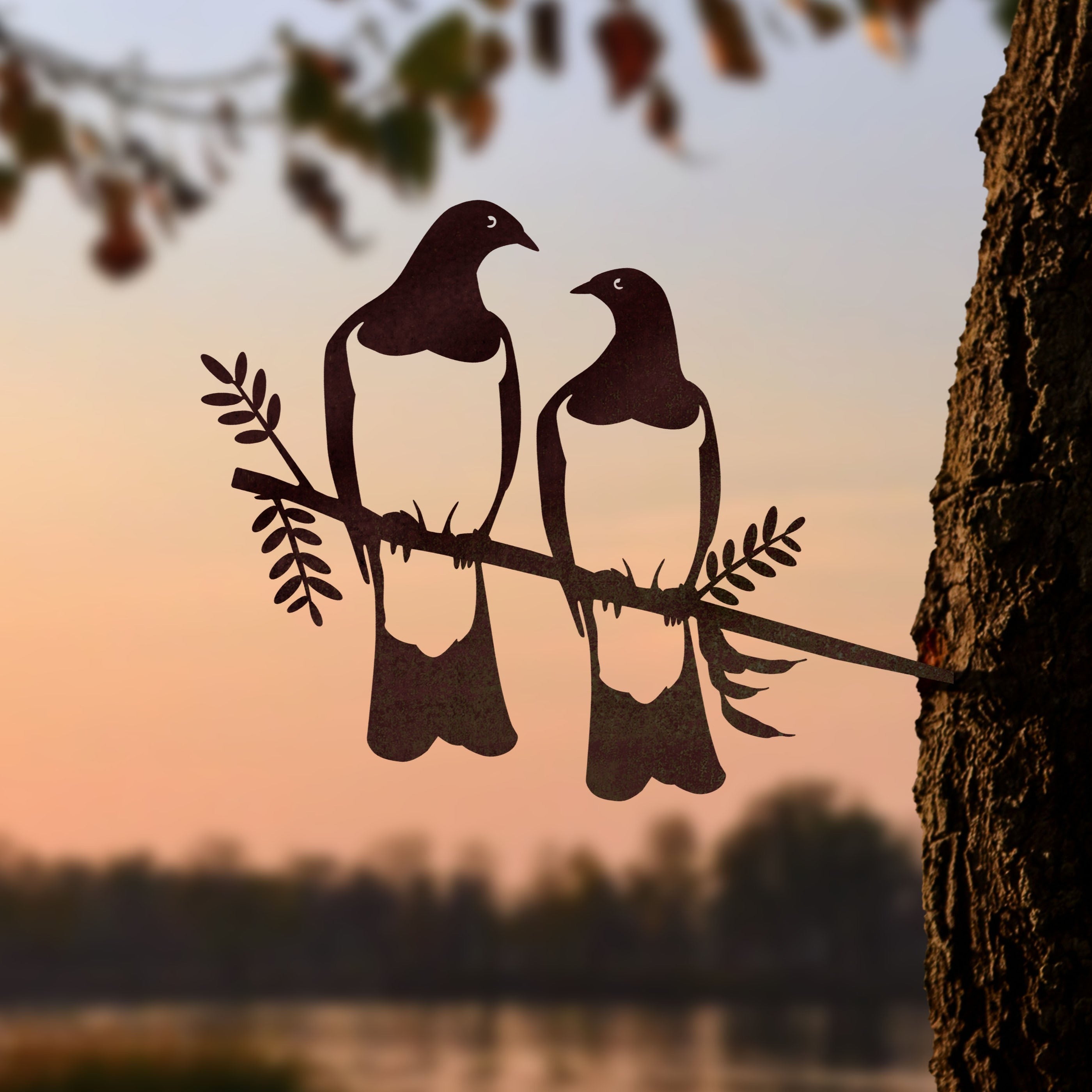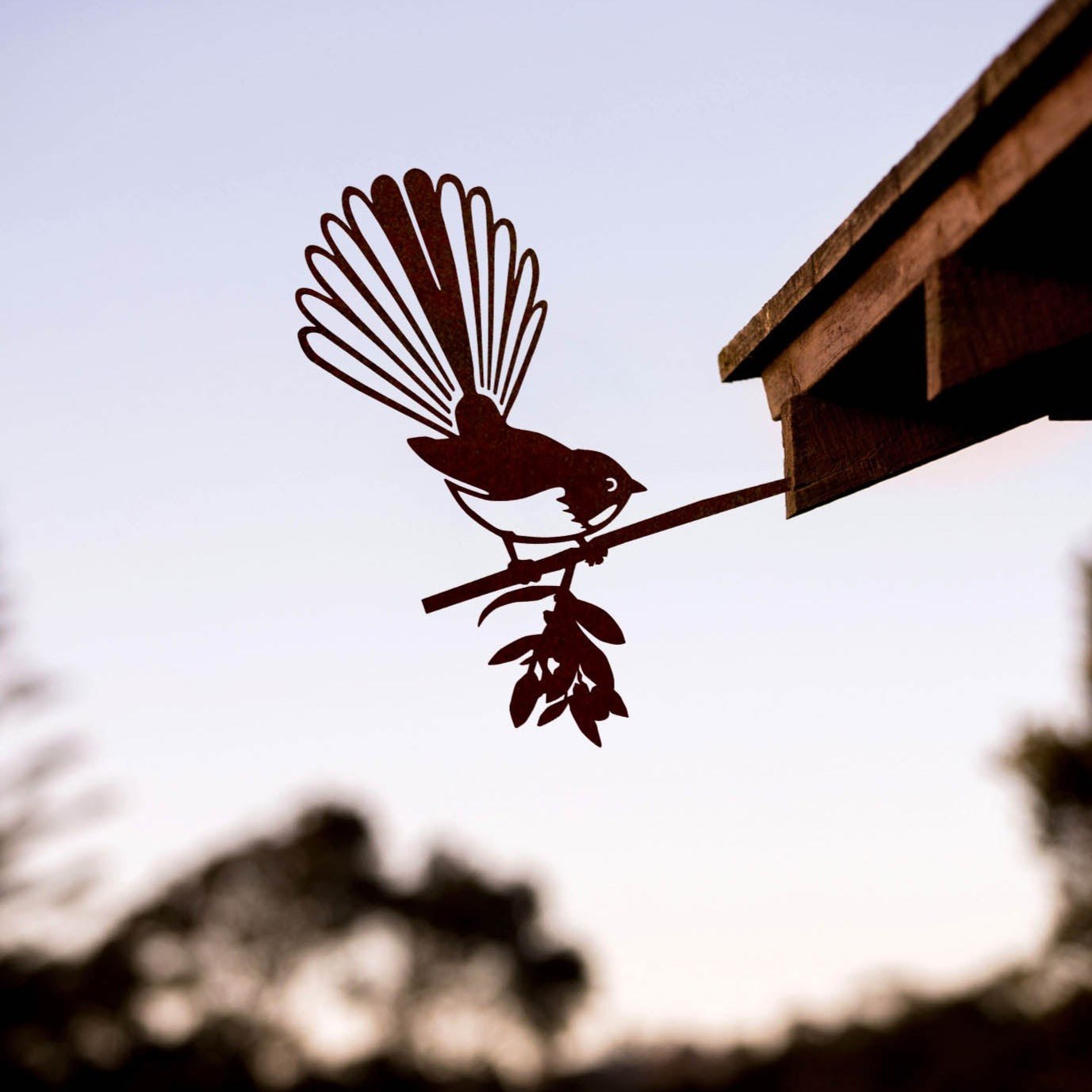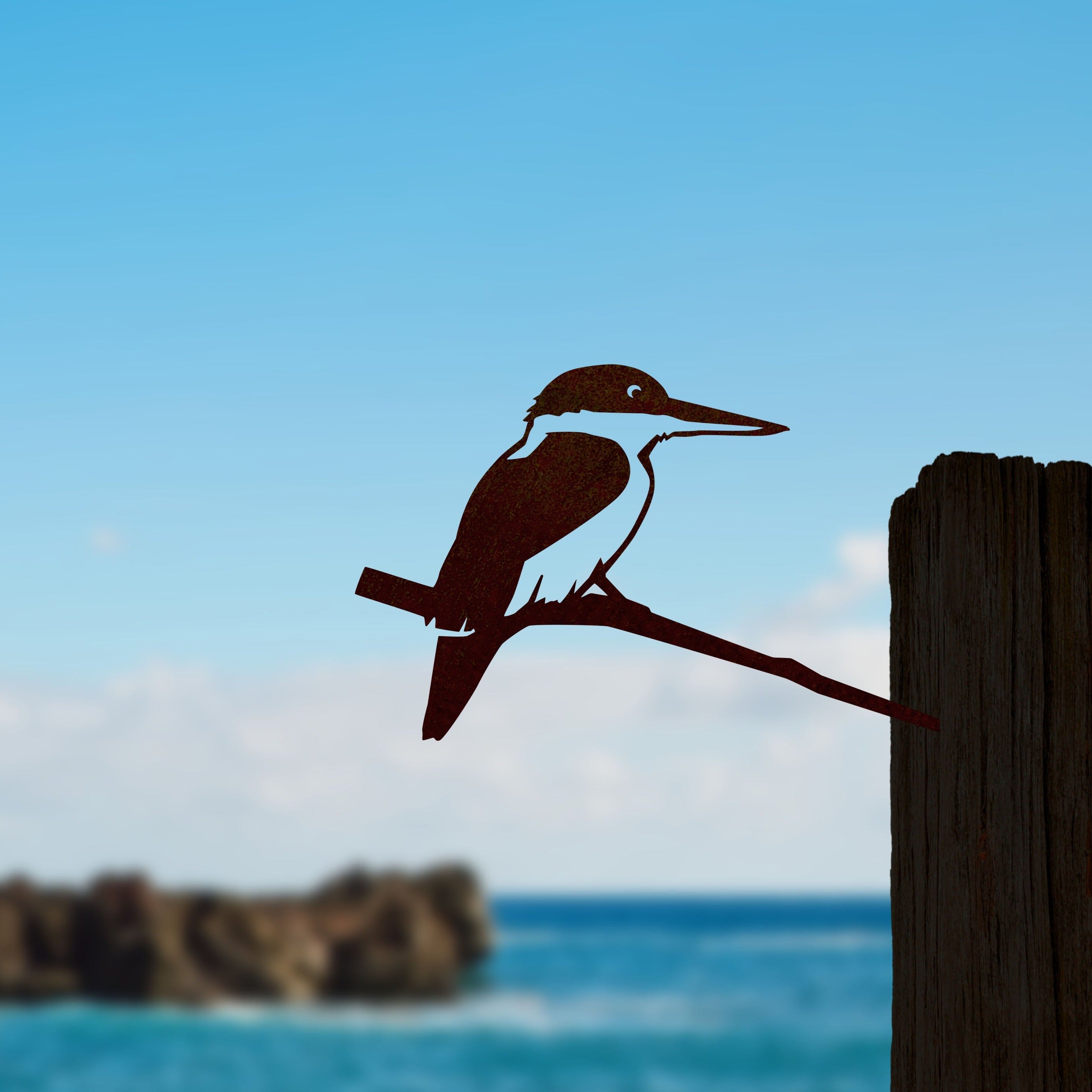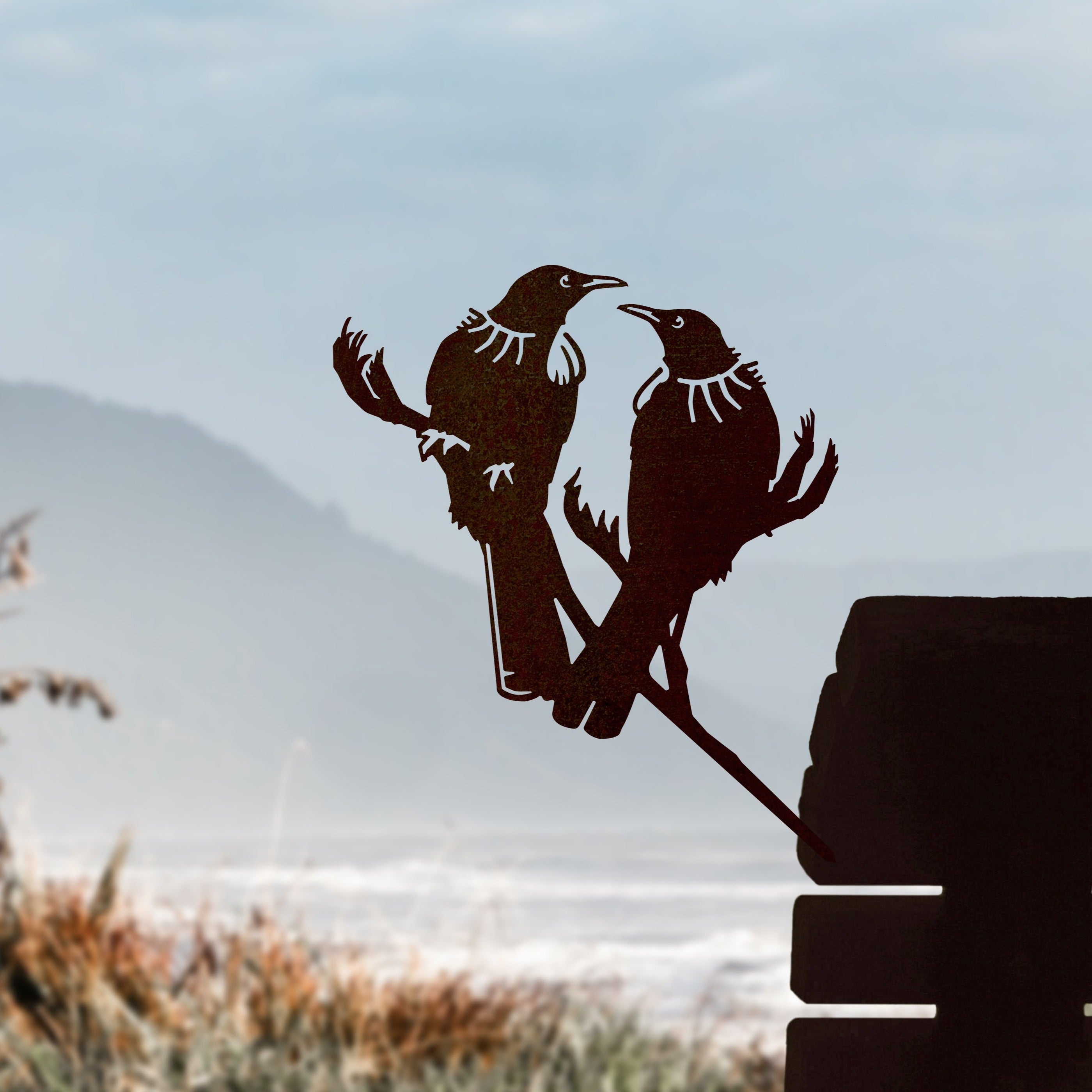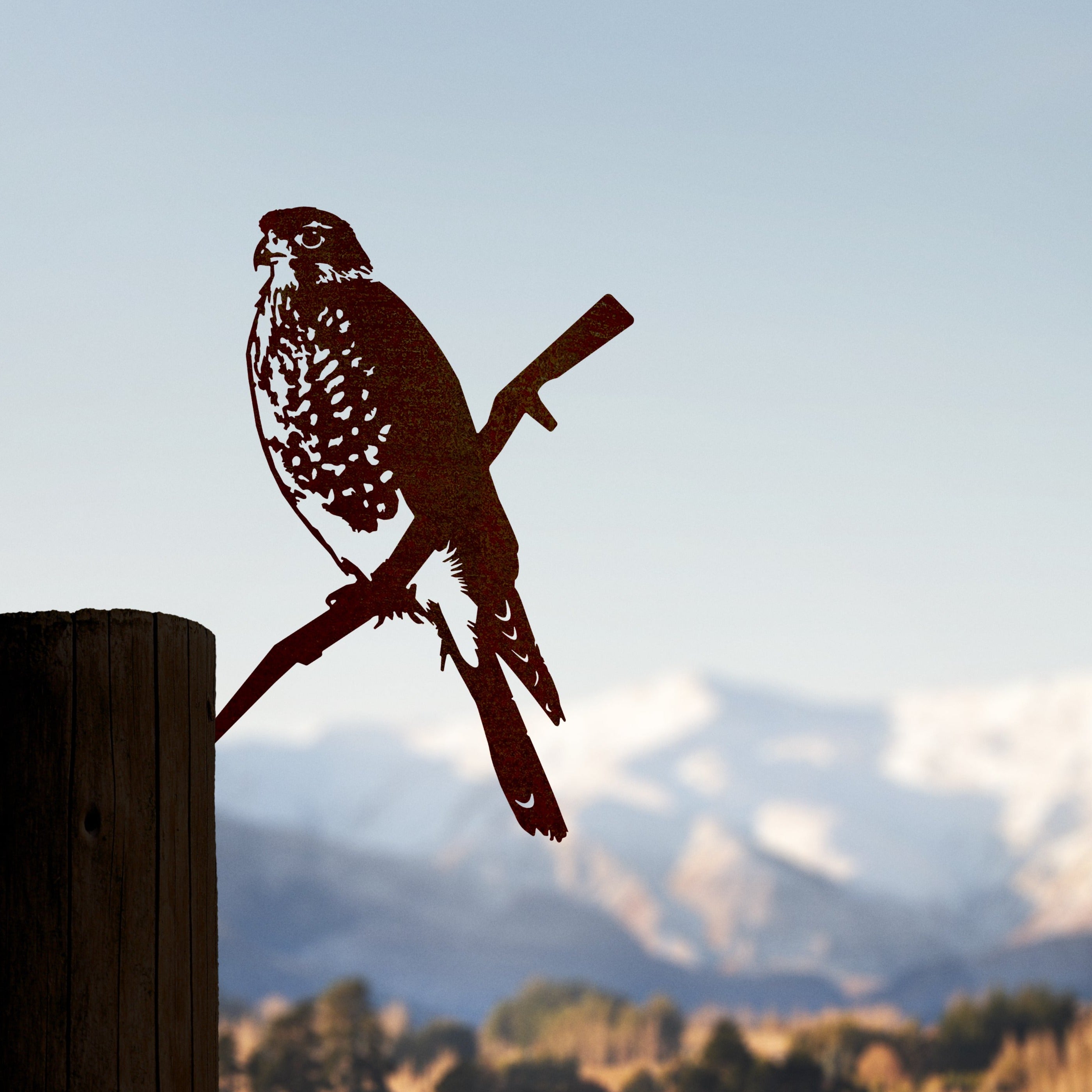
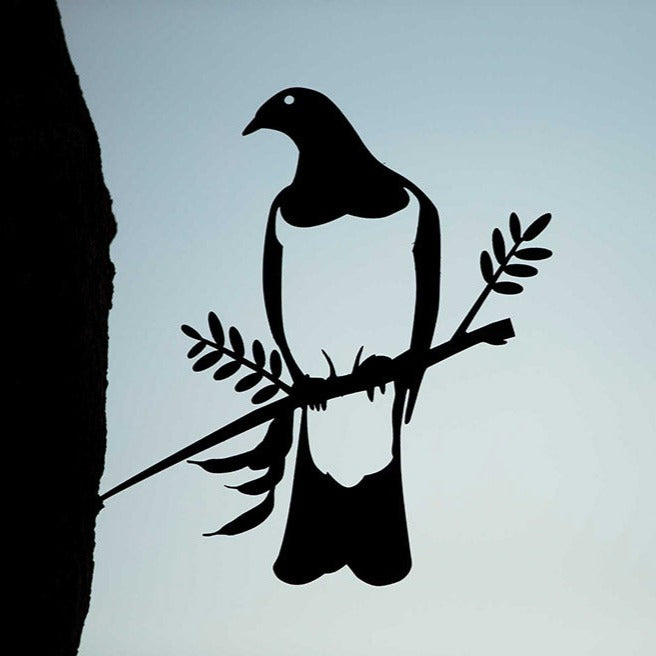
Kererū / Woodpigeon - Large
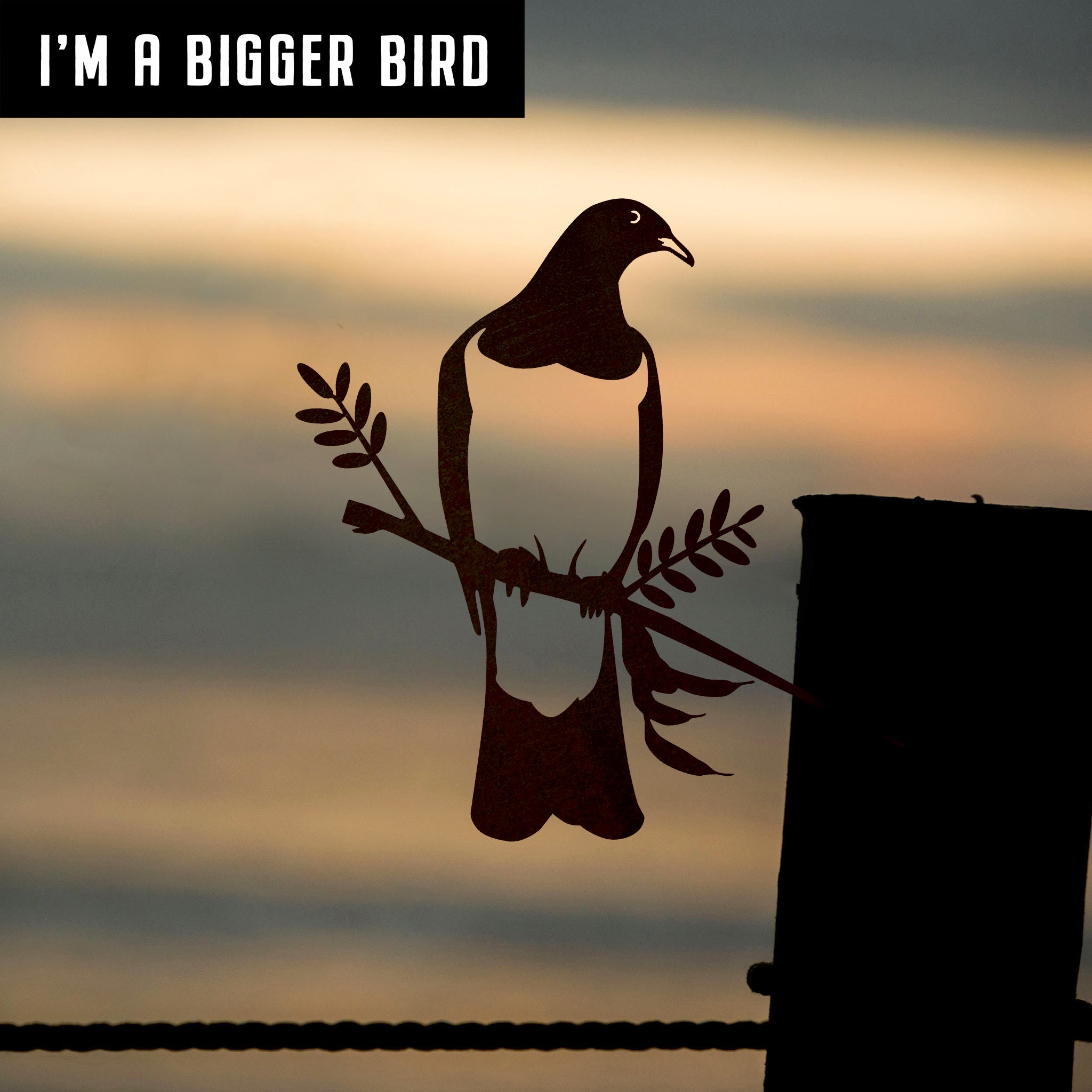
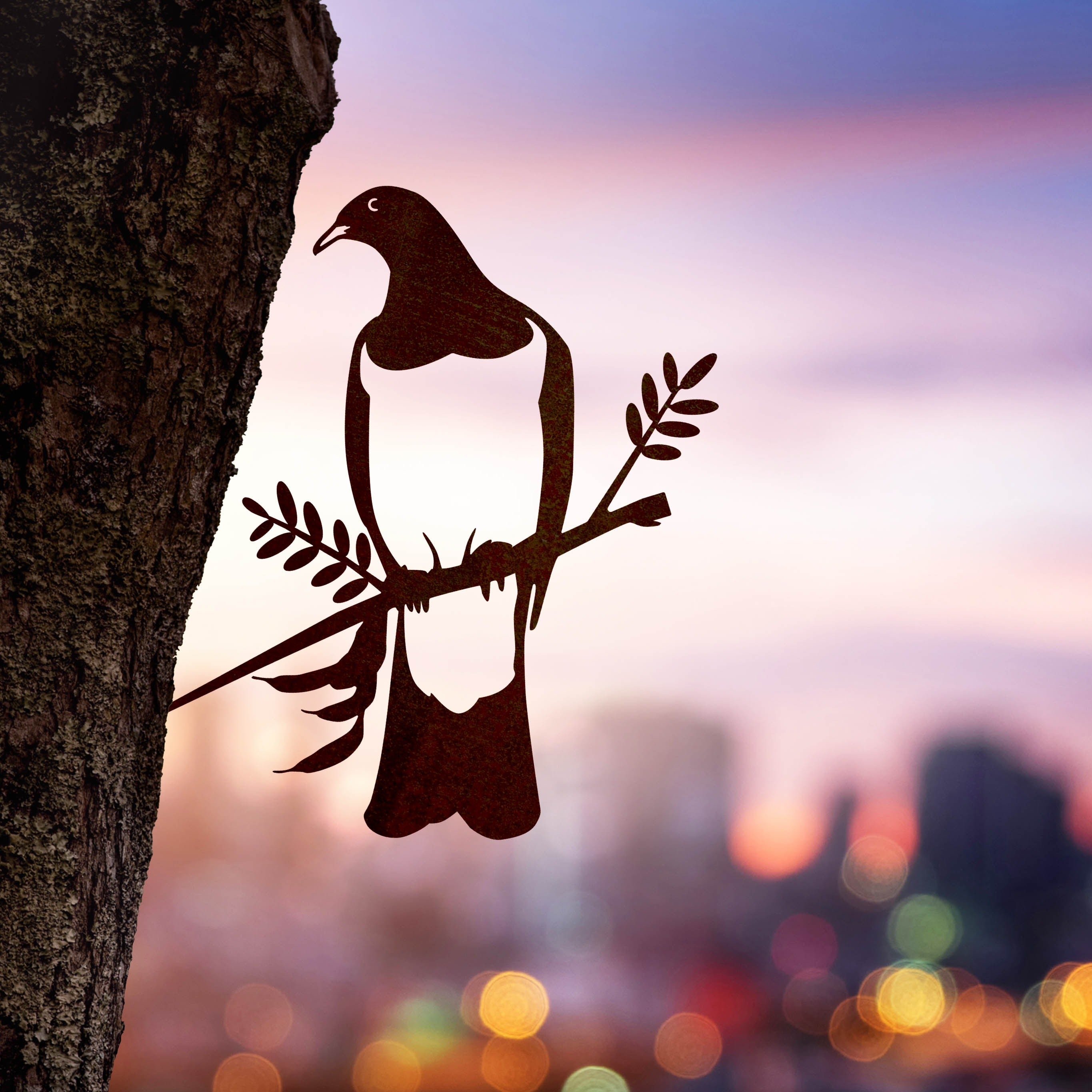
Bigger bird. Bigger impact. This is the Kererū at full wingspan energy.
Known for its unforgettable wingbeats and tree-shaking crash landings, the Kererū is New Zealand’s beloved flying bowling ball. But there’s more to this big bird than meets the eye — it’s the only species left that can disperse the large seeds of native giants like Tawa and Karaka. No Kererū, no forest regeneration. No pressure, right?
Crafted from weathering Corten® steel, this Large Kererū silhouette takes everything people love about the original and dials it up. Perfect for wide open spaces, native garden sanctuaries, or anywhere you want to make a bold, native statement. Whether you're gifting it to a passionate conservationist or planting it in your own backyard, this sculpture makes a big impression in every way.
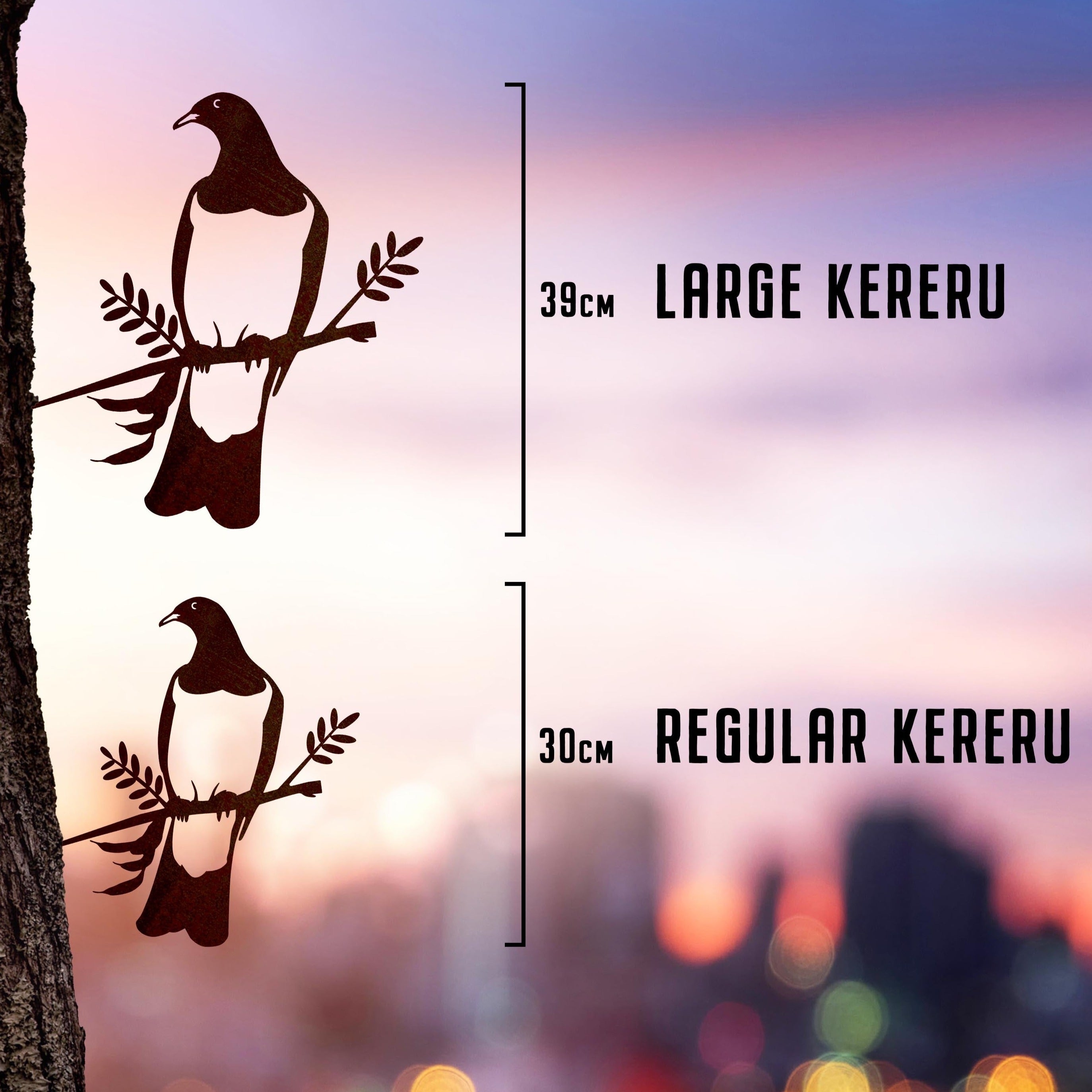
✓ Big native beauty – 39 cm high × 40 cm wide, approx. 450 g
✓ NZ’s seed-spreader in steel – Celebrate the Kererū’s vital ecological role
✓ Built to endure outdoors – Made from 3 mm Corten® steel that forms a protective patina
✓ Locally made – Designed and crafted in a family-run NZ workshop
✓ Gift-ready & postable – Ships in a flat 39 × 34 × 1 cm box
✓ Fast dispatch – Orders placed before 2 pm on weekdays are sent same day
Style With
Kererū / Woodpigeon - Large
AS SEEN IN







Most of our steel bird silhouettes are cut from 3 mm Corten weathering steel. Check the individual product for its material, thickness and manufacturing origin: wooden birds, clothing and other products have their own specifications.
Why does Corten steel change colour?
Outdoors, the steel develops a natural rust patina. Grey gives way to orange and brown tones, with the setting and weather doing their bit. The colour and timing vary. It is unpainted steel, so a permanent black finish is not part of the deal.
Where should I put it?
Choose a spot with good drainage. Rusty runoff can mark pale paving, pots and walls, particularly while the steel is weathering. Follow the mounting instructions for your particular bird or feeder.
See how patina develops · Find your bird · Installation and care help
The Patina Process:

That first flash of orange? Your steel bird is settling in. Corten weathering steel develops a natural rust patina, changing through orange and brown tones as it spends time outdoors.
How long does patina take?
There is no fixed timetable or guaranteed final colour. Rain, humidity, airflow and the position you choose all affect how the surface changes.
Will it stain nearby surfaces?
Rusty runoff can mark paving, pots and walls, especially during early weathering. Leave room around pale surfaces and choose a location where water can drain freely.
Is my bird painted black?
Corten birds are unpainted steel. Their finish changes naturally; they are not intended to stay permanently black. Check your product page for the exact material and care instructions.
Read about the material · Browse the birds · Ask us about care
what’s the word on the bird?
YOU MIGHT ALSO LIKE

KIWI : Glenn Jones Art Collaboration
Regular price $99.99 Sale price $99.99